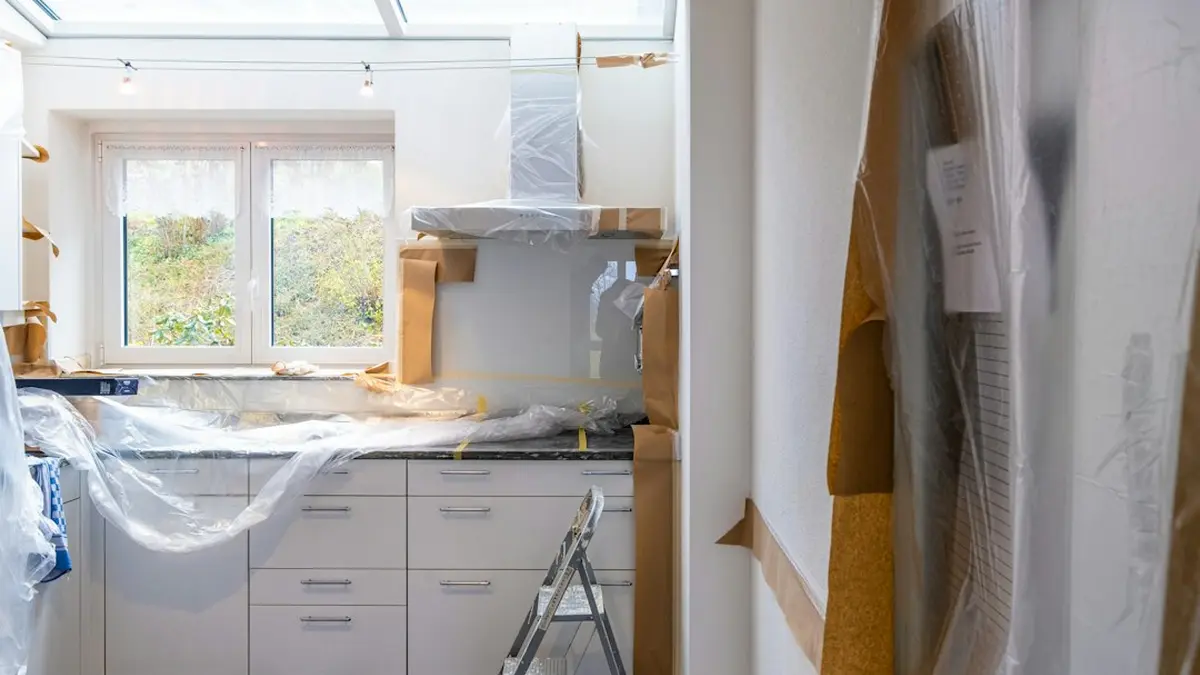
A range hood needs a permit when the job adds something new to the house: a new electrical circuit, a new hole through an exterior wall or roof for the duct, or a hood powerful enough to require makeup air. A same-spot swap that reuses the existing wiring and vent usually does not. That "usually" is a contractor's rule of thumb, not a code, and at least one large county requires a permit for any range hood installation, repair or relocation.
The question matters before you hire a contractor because it decides three things in the bid: whether there is a permit line, who pulls the permit, and whether an inspector will see the work before the drywall closes. If two quotes differ on whether a permit is needed, one of them is wrong for your town, and you want to know which before you sign.
Which part of the job triggers it
The hood itself is rarely the problem. The trigger is whatever the job does to the house's electrical, mechanical or structural systems. Proline Range Hoods lists the four that typically require a permit: new electrical wiring, exterior ductwork, structural changes, and wall or roof penetrations. Replacements using existing electrical and duct connections generally don't.
New wiring. Adding a circuit is electrical work, and electrical work is permitted work. Code does not always demand a circuit, though. In Massachusetts, according to Sirois Electric, there is no universal rule that every hood gets its own dedicated circuit. The manufacturer's listed installation instructions control that, and a dedicated circuit is advisable for high-powered blowers, heat lamps or electronic controls. ARS Pura put a new 120V dedicated circuit at $150 to $400 in 2026, with 240V costing more.
A new duct run. Cutting through a wall or roof brings the mechanical code into play. Under IRC Section M1503.1, as published on up.codes, a ducted hood must "discharge to the outdoors through a single-wall duct" with a smooth interior, airtight joints and a back-draft damper, and it may never end in an attic or crawl space. Minimum duct size under the 2024 IRC is 6 inches round or 3.25 by 10 inches rectangular. A new run is where most inspection failures would come from, and it is the bigger cost too: see what a new duct path adds.
A big hood. Above 400 CFM, the IRC requires makeup air supplied at roughly the rate the hood exhausts, interlocked so it runs only when the hood does, with a damper that closes when it's off. Some jurisdictions lower that trigger to 300 CFM. If you are shopping for a hood above either figure, the job is now a ventilation project, not an appliance swap.
Fees. ARS Pura estimated range hood permits at $50 to $250 in 2026, depending on the municipality. That is the only fee figure in our sources. No county page we checked published its own number.
Three places the rule shows up
Fairfax County, Virginia. The county's permit guidance names range hoods under "new, repair or relocated mechanical or gas fixtures", which means a permit for installation, repair or relocation. That applies whether a homeowner or a licensed contractor does the work. New cabinets and countertops, by contrast, need nothing. Fees aren't listed on the page. Residents are told to call Land Development Services at 703-222-0801 or use the PLUS portal.
Massachusetts. Permits issued after April 24, 2026 fall under 527 CMR 12.00, based on the 2023 National Electrical Code, plus 780 CMR for building and mechanical work. An exterior-vented hood can raise electrical, building and mechanical questions at the same time, which is why Sirois Electric advises coordinating with the local wiring inspector.
Fremont, California. In a community thread, a homeowner asked whether swapping an over-range microwave for a wall-mount hood on the existing vent needed a permit. Commenters split between "skip it" and "it technically does, but it's rarely pursued", and one warned that neighbor complaints can bring fines. Nobody produced an official answer, which is the honest state of most forum advice on this question.
Rules differ this much because states adopt and amend the IRC on their own cycles. Washington's Building Code Council, for example, runs range hood code changes through a formal change process before local departments enforce them.
Not the same as passing code
Two confusions come up often enough to separate out. The first is that a job exempt from a permit is not exempt from code. The second is that much of what you'll read online about kitchen exhaust permits describes restaurants, not homes.
| What it is | Why it matters to you | |
|---|---|---|
| Permit | Paperwork and an inspection, required where the work changes a system | Decides whether a building official checks the job |
| Code compliance | The installation rules: outdoor termination, metal duct, damper, makeup air over 400 CFM | Applies to every install, permit or not |
| Commercial kitchen rules | Type I hoods, fire suppression and separate mechanical, electrical and fire permits | Not your situation; ignore those checklists |
Before you sign a bid
Call your building department with the actual scope: same location or new, existing vent or new hole, the hood's CFM, and whether you need a new circuit. If you're in a county that reads like Fairfax, even a swap needs a permit, and a contractor who says otherwise hasn't checked.
Then ask each contractor three things. Who pulls the permit, and is the fee in the price? Is the duct metal, at least 6 inches round, and does it end outdoors with a damper? If the hood is over 400 CFM, where is the makeup air in the bid? A quote that skips these isn't cheaper. It's incomplete. Check how each line should appear in a range hood installation quote.
We can't tell you what skipping a required permit costs at resale or claim time. None of our sources puts a dollar figure on it for homes. Fines after a complaint are the documented risk. The commercial kitchen source lists insurance denial among the risks of unpermitted work, but that was written about restaurants. Gas line clearance is also thin in our sources: Fairfax covers gas fixtures under the same permit rule, but we found no specific clearance figure to give you. Against a $50 to $250 fee, the permit is the cheaper side of that bet.
Once you know your scope and your town's rule, get bids from installers who will put the permit in writing.
Comments
No comments yet. Be the first to comment!
Leave a Comment